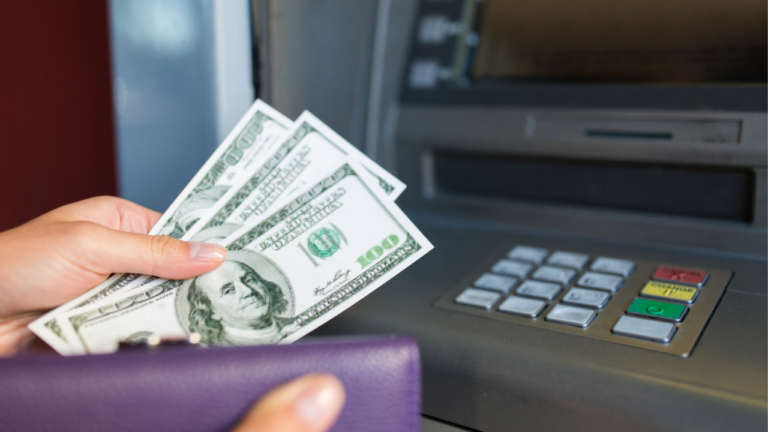
Cash envelopes feel almost old-fashioned in a country where UPI has made physical cash nearly optional for daily transactions. So does the envelope budgeting method still hold up, or is it a relic that doesn’t fit how most of us actually spend money now?
Turns out, the answer’s more interesting than a simple yes or no.
What Is the Envelope Budgeting Method?
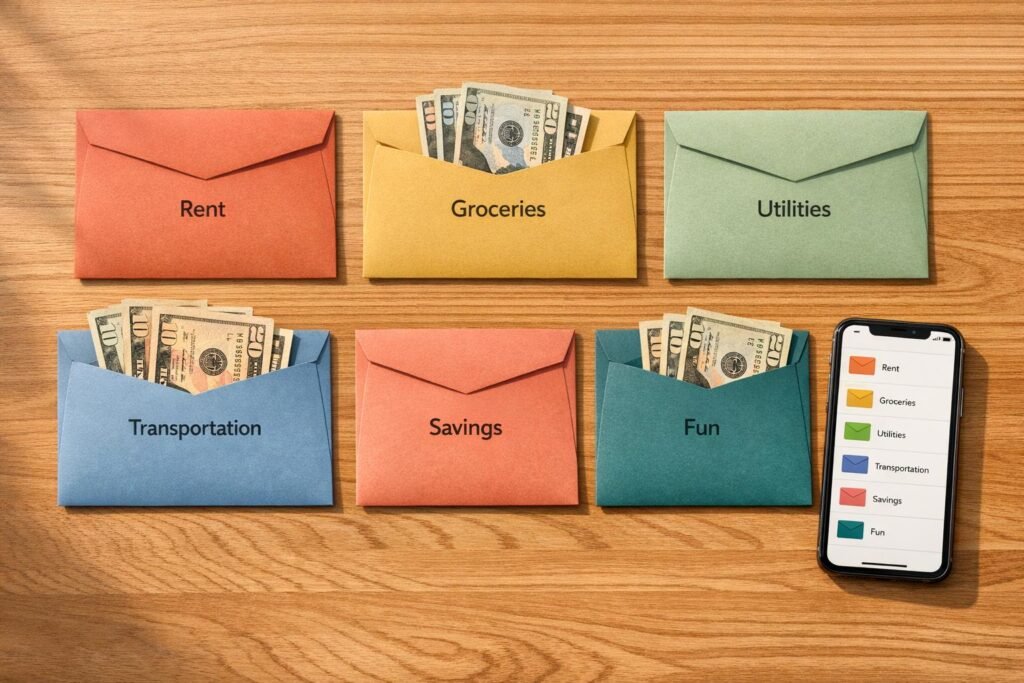
Quick answer: The envelope budgeting method involves dividing your monthly income into physical or digital “envelopes,” each allocated for a specific spending category — groceries, entertainment, transport — and once an envelope is empty, spending in that category stops until the next month.
Originally a cash-based system, it’s been adapted for the digital age through dedicated budgeting apps that simulate the same envelope structure virtually.
Why the Original Cash Version Struggles in 2026
Let’s be honest — most transactions in urban India now happen through UPI, cards, or wallets. Physically withdrawing cash and dividing it into labeled envelopes feels impractical for most people’s actual spending habits, especially with recurring subscriptions and online purchases dominating monthly expenses.
That said, I’ve noticed the underlying principle — hard category limits that force conscious spending decisions — remains genuinely powerful, even if the physical envelope part needs updating.
The Digital Adaptation That Actually Works
Several budgeting apps now offer a digital envelope system, letting you allocate specific amounts to categories without handling physical cash:
- YNAB (You Need A Budget): A popular international app with envelope-style budgeting, though it comes with a subscription fee
- Walnut: An India-focused app that auto-categorizes transactions from SMS alerts, letting you set category-wise spending caps
- Simple spreadsheet method: A manually maintained Google Sheet with monthly category allocations, updated weekly, works just as effectively for disciplined users
Who Benefits Most From This Method?
- People who consistently overspend in specific categories, like dining out or online shopping
- Those who find percentage-based budgets (like the 50-30-20 rule) too vague to actually control day-to-day spending
- Households managing a tight, irregular income where hard category limits prevent overspending in one area at the expense of essentials
- Visual learners who respond better to seeing a “shrinking” balance rather than abstract percentage tracking
A Real Example of the Method in Action
Picture a young couple in Jaipur who kept overspending on food delivery despite having a general monthly budget in mind. Switching to a digital envelope system with a strict ₹4,000 monthly food-delivery allocation forced a genuine behavior change — once that virtual envelope hit zero mid-month, they simply cooked at home instead of reaching for another order, something a vague overall budget had never enforced effectively.
[link to related guide on the 50-30-20 rule here]
Limitations of the Envelope Method Worth Knowing
- Doesn’t account well for irregular or unexpected expenses that don’t fit neatly into a predefined category
- Requires consistent, disciplined tracking, which some people find tedious to maintain long-term
- Digital versions still require you to categorize transactions accurately, which takes initial setup effort
- Less flexible for those with genuinely variable income month to month
How to Set Up Your Own Envelope Budget
- List your major spending categories based on the last 2-3 months of actual expenses
- Allocate a realistic monthly amount to each category based on your total income and priorities
- Choose a tracking method — app, spreadsheet, or hybrid — that you’ll actually maintain consistently
- Review and adjust category limits monthly based on what’s realistic versus what you initially guessed
FAQs
Is the envelope budgeting method still practical without using physical cash? Yes, digital adaptations through budgeting apps or spreadsheets replicate the same discipline without requiring physical cash handling.
How many categories should I create for envelope budgeting? Somewhere between 6-10 categories usually works well — too few feels too vague, too many becomes tedious to track and maintain.
What happens if I overspend in one envelope category? Ideally, you either stop spending in that category for the month or consciously transfer funds from another, less-used envelope — the discipline is the whole point of the method.
Is envelope budgeting suitable for irregular income earners? It can work, but you’ll need to base your envelope allocations on your average monthly income rather than a fixed, predictable figure.
Which is better — envelope budgeting or the 50-30-20 rule? They’re not mutually exclusive. Some people use the 50-30-20 rule for broad allocation and envelope budgeting within the “wants” category specifically for tighter control.
Conclusion
The envelope budgeting method genuinely still works in 2026, just in a digital form suited to how we actually spend money now. The core principle — hard limits that force conscious decisions — remains one of the more effective ways to control category-specific overspending.
If percentage-based budgets have felt too abstract for you, give a digital envelope app or a simple spreadsheet a try for one month. You might be surprised how much more control it gives you over categories that have quietly been draining your budget.
Suggested alt text: “Digital envelope budgeting app showing category-wise spending allocations”