So you’ve just started earning, or maybe you’ve started a small business, and now the bank is asking you to pick between a savings account and a current account. Most people just nod and go with whatever the bank staff suggests. Big mistake, honestly.
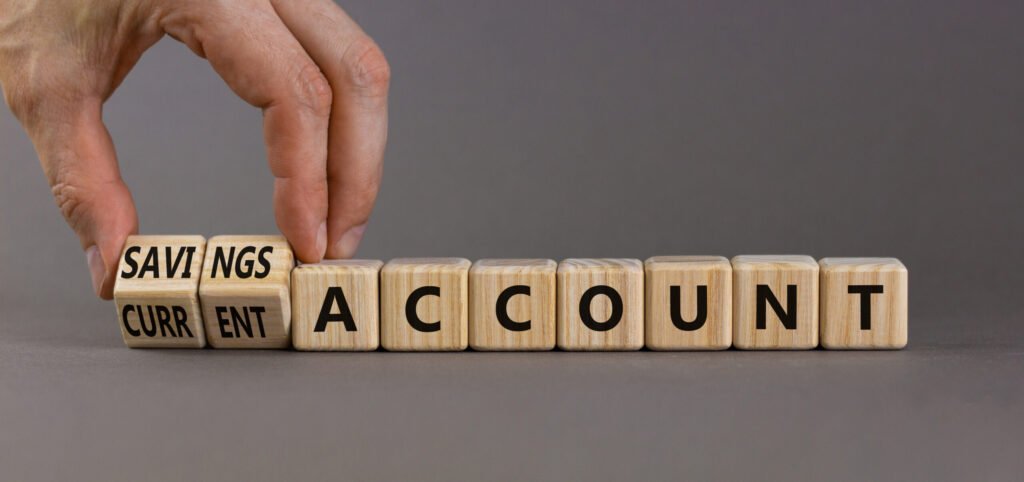
The savings account vs current account question isn’t as boring as it sounds — picking the wrong one can quietly cost you money or limit what you can do with your account. Let’s break it down properly, the way I wish someone had explained it to me years ago.
What Is a Savings Account, Really?
A savings account is built for individuals who want to park money and earn a bit of interest while they’re at it. Banks in India typically offer 2.5% to 4% annual interest on savings balances, though some small finance banks go higher.
Quick answer: A savings account is meant for individuals to save money, earn interest (usually 2.5-4% per year), and handle everyday transactions like salary credits, bill payments, and UPI transfers — with limits on how many free withdrawals you get per month.
The catch? Most savings accounts cap the number of free transactions per month. Cross that limit and you’ll see small charges nibbling at your balance.
What Is a Current Account Meant For?
Current accounts are a different animal entirely. No interest, but no transaction limits either. Businesses, shopkeepers, freelancers running high transaction volumes — this is their territory.
I’ve seen small business owners in Jaipur’s bazaar area open current accounts specifically because they were doing 40-50 transactions a day and kept hitting savings account limits. One vendor told me his old bank flagged his account for “unusual activity” simply because he was using a savings account like a business account. That’s the mismatch we’re talking about.
Key Differences Between Savings Account vs Current Account
Here’s where the savings account vs current account comparison actually gets useful:
- Interest: Savings accounts pay interest; current accounts pay zero
- Transaction limits: Current accounts allow unlimited transactions; savings accounts cap you, often around 4-5 free cash withdrawals a month
- Minimum balance: Current accounts usually demand a higher minimum balance — sometimes ₹10,000 or more, compared to ₹1,000-5,000 for savings
- Overdraft facility: Current accounts often come with overdraft options; savings accounts rarely do
- Purpose: Savings accounts suit individuals; current accounts suit businesses and high-volume users
Who Should Choose a Savings Account?
If you’re a salaried employee, a student, or someone managing regular household expenses, a savings account is your answer. It’s simple, it earns you a little something, and most digital banking apps are built around it anyway.
Honestly, I don’t think there’s much debate here. Unless you’re running a business, a current account just doesn’t make sense for you.
Who Actually Needs a Current Account?
Think shopkeepers, wholesalers, private limited companies, partnership firms, and freelancers billing multiple clients monthly. If your money moves in and out constantly, a current account removes the friction of transaction caps.
A friend who runs a small textile export unit near Sanganer switched to a current account purely because his savings account kept getting frozen for “suspicious” high-frequency transfers. Sound familiar?
Can You Have Both Account Types?
Yes, and many business owners do exactly this. They keep a personal savings account for salary and household expenses, and a separate current account strictly for business transactions. Mixing the two is where people run into trouble — with taxes, with bookkeeping, and sometimes with the bank itself.
[link to related guide on zero balance savings accounts here]
Costs and Fees You Should Watch For
Neither account type is free of charges if you’re not careful:
- Savings accounts often penalize you for falling below minimum balance
- Current accounts almost always require higher minimum balances, and penalties for shortfall can be steeper
- Some current accounts charge a flat monthly maintenance fee regardless of balance
- Cheque book charges differ too, with current accounts usually offering more free leaves
FAQs
Can a current account earn interest at all? Generally no, though a few banks offer a small “sweep-in” facility that moves idle funds into a fixed deposit for marginal interest. It’s not the norm.
Is a current account only for registered businesses? Not necessarily. Sole proprietors, freelancers, and even individuals with heavy transaction needs can open one, though documentation requirements are stricter.
What happens if I use a savings account for business purposes? Banks can flag or freeze the account for policy violations, and in some cases, close it altogether. It’s genuinely not worth the risk.
Do current accounts require a higher minimum balance everywhere? Yes, almost always, though the exact figure varies by bank — anywhere from ₹5,000 to ₹25,000 or more.
Which one is better for a small YouTuber or freelancer? If your income is modest and transactions are low in volume, a savings account works fine. Once you’re billing clients regularly and moving larger sums, a current account starts making more sense.
Conclusion
At the end of the day, the savings account vs current account decision really comes down to how you use your money, not which one sounds more “professional.” Individuals saving and spending normally should stick with savings accounts. Business owners with frequent, high-volume transactions need the flexibility a current account offers.
If you’re still unsure, sit down with your bank’s relationship manager and actually walk through your monthly transaction pattern — don’t just pick based on what your neighbor has. Your account should work for your money, not against it.