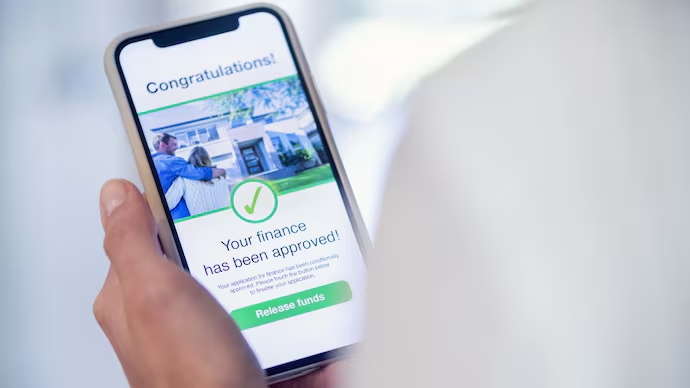
Instant loan approval, minimal documentation, money in your account within minutes — that’s the pitch behind hundreds of digital lending apps India has seen flood the market over the past few years. Some are genuinely legitimate, regulated, and useful. Others are predatory, unregistered operations that have caused real harm to borrowers.
Telling the difference matters more than most people realize, so let’s break down how to actually check.
Why Has This Category Exploded?
Quick answer: Digital lending apps offer quick, often collateral-free personal loans through smartphone apps with minimal documentation, using alternative data for credit assessment. While many are legitimate NBFC-partnered platforms, RBI has flagged concerns about unregulated apps engaging in predatory lending and harassment-based collection practices.
The convenience is real, but so is the risk if you’re not checking the right credentials before borrowing.
How to Check If a Lending App Is Legitimate
- Verify the app is either an RBI-registered NBFC itself, or clearly partnered with one — this information should be disclosed prominently, not buried in fine print
- Check the RBI’s official list of registered NBFCs on their website to cross-verify the lender’s name
- Look for transparent disclosure of interest rates, processing fees, and total repayment amount before you accept the loan
- Read app store reviews carefully, watching specifically for complaints about harassment, hidden charges, or data misuse
Red Flags That Signal a Risky or Illegitimate App
- Demanding excessive permissions on your phone — contacts, photos, location — beyond what’s reasonably needed for loan processing
- No physical registered address or customer service contact clearly listed
- Extremely high processing fees deducted upfront from the loan amount
- Aggressive, harassment-style collection tactics reported by other users
- Interest rates disclosed only after you’ve already committed to the loan process, rather than upfront
A Cautionary Example
Picture someone in Jaipur who downloaded an unfamiliar lending app during a genuine cash crunch, drawn in by promises of instant approval with no paperwork. After borrowing ₹15,000, he discovered the effective annual interest rate, once all hidden fees were factored in, exceeded 100% — far beyond what any RBI-regulated NBFC would legally charge. Worse, the app had accessed his entire contact list during installation, which it later used for aggressive collection calls to his friends and family.
This is exactly the pattern the RBI has been actively cracking down on through stricter digital lending guidelines.
[link to related guide on personal loan vs credit card loan here]
RBI’s Digital Lending Guidelines: What They Mean for You
The RBI has introduced specific guidelines requiring digital lending apps to:
- Disclose all fees and the Annual Percentage Rate (APR) upfront, before loan disbursal
- Route all loan disbursals and repayments directly through the lender’s bank account, not a third-party pass-through account
- Limit data collection to what’s genuinely necessary for the loan process
- Provide a clear grievance redressal mechanism for borrowers
Apps that don’t comply with these basic disclosures are worth avoiding entirely, regardless of how convenient they seem.
Safer Alternatives Worth Considering First
- Established bank apps offering instant personal loans to existing customers, often with pre-approved offers
- Well-known NBFC platforms like Bajaj Finserv or established fintech lenders with transparent RBI registration
- Credit card EMI conversion, if you already have a card with available limit and reasonable terms
How to Protect Yourself Before Borrowing From Any App
- Read the loan agreement fully before accepting, especially the interest rate and fee structure
- Never share your banking passwords or OTPs with anyone claiming to be from the lending app’s support team
- Check permissions requested during app installation and deny anything that seems excessive or unrelated to loan processing
- Keep records of all communication and transaction confirmations throughout the loan process
FAQs
How do I know if a lending app is RBI-registered? Check the RBI’s official website for their list of registered NBFCs, and cross-verify the app or its partner lender’s name against that list directly.
Are all digital lending apps in India unsafe? No, many are legitimate and properly regulated. The key is verifying registration and reading reviews carefully before committing to any specific app.
What should I do if a lending app is harassing me for repayment? You can file a complaint with the RBI’s digital lending grievance channels, and in serious cases involving threats or harassment, approach local police as well.
Do digital lending apps check your CIBIL score? Most legitimate ones do, though some use alternative data sources for a quicker initial assessment, especially for smaller loan amounts.
Is it safe to link my bank account to a digital lending app? Generally yes, if the app is legitimate and RBI-compliant, since disbursal and repayment should route through your regular bank account, not a separate wallet or third party.
Conclusion
Digital lending apps India has seen grow rapidly aren’t inherently dangerous — but the sector has enough bad actors that basic due diligence genuinely matters before you borrow. Verify RBI registration, read the fine print, and watch for red flags like excessive permission requests or upfront fee deductions.
Before your next urgent cash need pushes you toward the first lending app you find, take ten minutes to actually verify its legitimacy. That small effort could save you from a genuinely harmful borrowing experience.
Suggested alt text: “Person checking RBI registration details of a digital lending app on smartphone”